
Cutting metal can be intimidating, but learning how to cut aluminum sheet 1/8 inch thick is a skill anyone can master. An aluminum sheet with a thickness of 1/8 inch (or 0.125 inches / 3.175 mm) is the “sweet spot” for many projects. It is strong enough for structural use but thin enough to be cut with common power tools found in a home workshop.
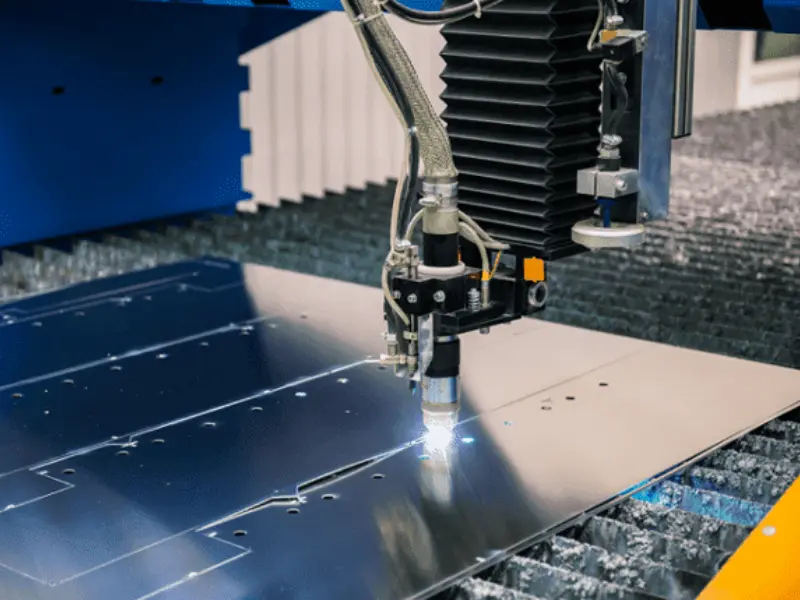
1. Understanding the Material: 1/8 Inch Aluminum Sheet
Before picking up a saw, you need to know what you are working with. Aluminum is a non-ferrous metal, meaning it contains no iron. It is lightweight, rust-resistant, and relatively soft compared to steel.
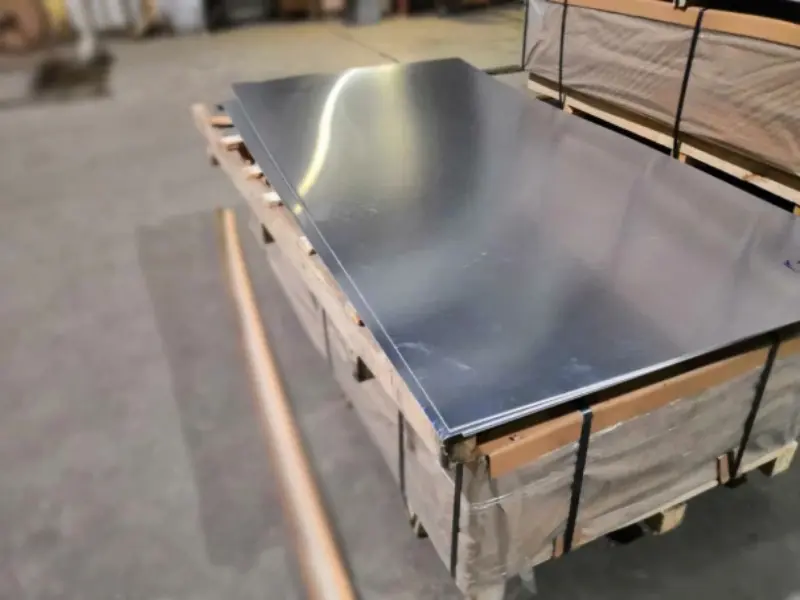
Technical Specifications Table
| Property | Value (Imperial) | Value (Metric) |
|---|---|---|
| Thickness | 0.125 inches | 3.175 mm |
| Gauge Equivalent | Approximately 11 Gauge | N/A |
| Weight per Sq. Ft. | ~1.76 lbs | ~0.80 kg |
| Common Grades | 6061−T6, 5052−H32, 3003 | N/A |
Why Choose 1/8 Inch Thickness?
- Durability: It doesn’t flex as easily as thinner sheets.
- Weight: It remains light enough for easy transport.
- Workability: You don’t need industrial lasers or plasma cutters; standard wood-cutting tools with the right blades will work.
2. Best Tools for Cutting 1/8 Inch Aluminum
Choosing the right tool is the most important step in cutting aluminum sheet 1/8 inch thick. Below is a comparison of the most common tools used by DIYers and professionals.
Tool Comparison Matrix
| Tool | Best For | Precision | Setup Time |
|---|---|---|---|
| Circular Saw | Long, straight cuts | High | Fast |
| Jigsaw | Curves and complex shapes | Medium | Fast |
| Bandsaw | Repeatable shapes / thick parts | High | Moderate |
| Table Saw | Large panels / Ripping | Very High | Moderate |
| Hacksaw | Small, quick trims | Low | Instant |
| Router | Clean edges and grooves | Very High | Slow |
3. Top Methods for Cutting 1/8 Inch Aluminum Sheet
Method A: Using a Circular Saw (Best for Straight Lines)
If you need to cut a large sheet into smaller rectangular pieces, a circular saw is your best friend.
What You Need:
- A circular saw.
- A non-ferrous metal cutting blade (carbide-tipped).
- A straight edge or guide rail.
- Clamps.
Steps:
- Select the Blade: Use a blade with at least 60 to 80 teeth. Ensure it is rated for non-ferrous metals.
- Mark the Line: Use a permanent marker or a scribe to mark your cut.
- Lubricate: Apply a wax stick or WD-40 to the blade and the cutting path to prevent the aluminum from melting onto the teeth.
- The Cut: Set the blade depth to 1/4 inch (slightly deeper than the material). Support the sheet on both sides to prevent “binding.”
Method B: Using a Jigsaw (Best for Curves)
When you need to cut circles or irregular shapes in 1/8 inch aluminum, a jigsaw is the most versatile option.
Key Blade Specs for Jigsaw:
| Feature | Recommended Specification |
|---|---|
| TPI (Teeth Per Inch) | 18 to 24 TPI |
| Material | Bi-Metal or HSS (High-Speed Steel) |
| Shank Type | T-Shank (standard for most modern saws) |
Pro Tip: Place a layer of masking tape on the bottom of the jigsaw’s base plate. This prevents the metal plate from scratching the surface of your aluminum sheet.
4. Advanced Cutting: Table Saws and Bandsaws
If you have a dedicated workshop, you might prefer stationary tools for better accuracy.
Using a Table Saw
A table saw can cut 1/8 inch aluminum very effectively, but it requires caution.
- Blade Speed: Aluminum likes a high “Surface Feet Per Minute” (SFPM).
- Safety: Always use a push stick. Aluminum chips are much hotter and sharper than wood sawdust.
- Blade Type: Use a Triple Chip Grind (TCG) blade. This tooth geometry is designed to handle the impact of metal without chipping the carbide.
Using a Bandsaw
A bandsaw is excellent for detailed work. However, you must adjust the speed.
- Wood Speed: ~3000 SFPM (Too fast for metal).
- Aluminum Speed: ~200 to 1000 SFPM is ideal for 1/8 inch material.
5. Lubrication: The Secret to a Perfect Cut
Aluminum has a low melting point. When you cut it, the friction creates heat, which can cause the metal to “smear” or weld itself to your saw blade. This ruins the blade and leaves a messy edge.
Recommended Lubricants
| Lubricant Type | Pros | Cons |
|---|---|---|
| Cutting Wax Stick | Clean, stays on the blade | Needs frequent re-application |
| WD-40 | Easy to find, cools effectively | Messy, requires cleanup |
| Vegetable Oil | Cheap, non-toxic | Can get sticky if left too long |
| Air Blast | No cleanup, clears chips | Requires an air compressor |
6. Safety Precautions (Must Read)
Cutting metal is louder and more dangerous than cutting wood. Never skip these steps when cutting aluminum sheet 1/8 inch thick.
- Eye Protection: Wear wrap-around safety goggles. Metal shards can fly in all directions.
- Hearing Protection: Cutting metal produces a high-pitched scream. Wear earmuffs or earplugs.
- Hand Protection: Wear heavy-duty gloves after the cut. The edges of the aluminum will be razor-sharp. Warning: Do not wear loose gloves while operating a rotating saw, as they can get caught.
- Respiratory Protection: If you are using a high-speed grinder or sander, wear a dust mask to avoid breathing in fine aluminum dust.
7. Common Applications of 1/8 Inch Aluminum Sheet
Why would you need to cut this specific thickness? Here are the most common industries and projects:
- Marine Industry:
- Boat hull repairs.
- Custom console panels.
- Fuel tank brackets.
- Automotive:
- Skid plates for off-road vehicles.
- Custom dashboard inserts.
- Heat shields.
- Home Construction:
- Heavy-duty shelving.
- Custom outdoor gate panels.
- Threshold plates for doors.
- Industrial:
- Machine guards.
- Electrical enclosures.
- Signs and billboards.
8. Finishing the Edges (Deburring)
Once you have finished cutting your 1/8 inch aluminum sheet, the edges will have “burrs”—jagged bits of metal. You must remove these for safety and aesthetics.
Post-Cut Checklist
- Filing: Use a large mill file. Hold it at a 45-degree angle and push away from your body along the edge.
- Sanding: Use 120-grit sandpaper followed by 220-grit for a smooth, brushed look.
- Deburring Tool: A handheld swivel-head deburring tool is the fastest way to clean long straight edges or the inside of drilled holes.
9. Frequently Asked Questions (FAQ)
Can I cut 1/8 inch aluminum with a utility knife?
No. While you can “score and snap” very thin aluminum (like flashing), 1/8 inch is too thick. Attempting this will likely result in an injury or a ruined sheet of metal.
Is it better to use a laser or a waterjet?
For DIY projects, those are too expensive. However, if you need hundreds of complex parts, a CNC Waterjet is the best method because it does not create a “Heat Affected Zone” (HAZ), keeping the aluminum strong.
Why is my blade smoking?
This usually means you are cutting too fast or you aren’t using enough lubricant. Stop immediately, apply more wax/oil, and let the blade cool down.
10. Summary Comparison Table
| Feature | Circular Saw | Jigsaw | Bandsaw | Hacksaw |
|---|---|---|---|---|
| Max Thickness | Up to 1/2″ | Up to 1/4″ | Up to 6″+ | Up to 1/2″ |
| Portability | High | High | Low | High |
| Noise Level | Very High | High | Medium | Low |
| Edge Quality | Excellent | Fair | Good | Poor |
how to cut aluminum sheet 1/8 inch thick
Mastering how to cut aluminum sheet 1/8 inch thick requires the right tool, a steady hand, and plenty of lubrication. Whether you choose a circular saw for long straight lines or a jigsaw for creative curves, the key is to respect the material. Use a high-tooth-count carbide blade, wear your safety gear, and always take the time to deburr your edges.
By following this guide, you can confidently tackle your next metal fabrication project and achieve results that look like they came straight from a professional machine shop.
Ready to start? Pick your tool, clamp your metal, and remember: Measure twice, cut once!
[wpforms id=”104″]

No responses yet