
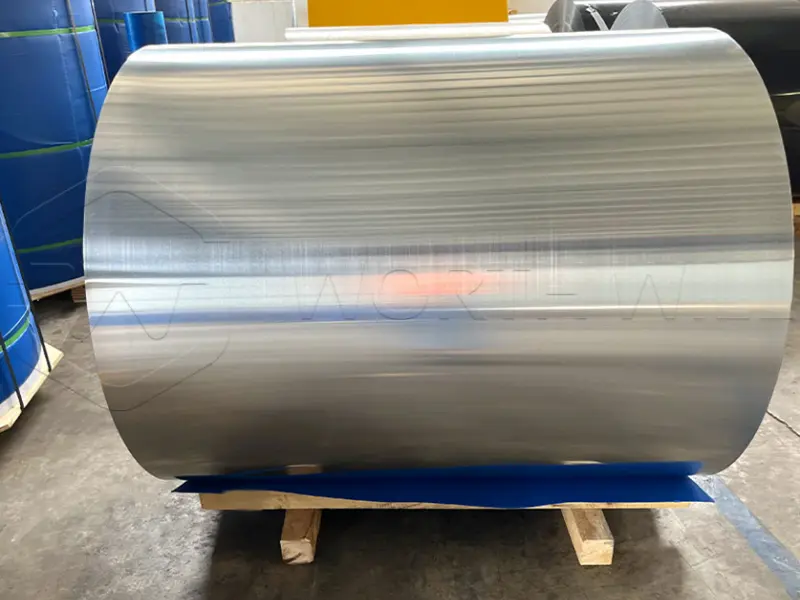
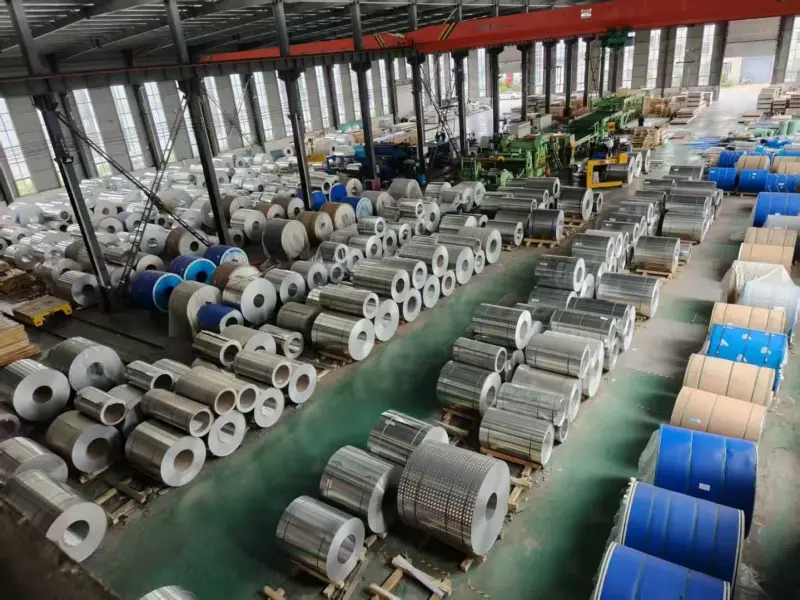
Aluminum coil price is a long strip of aluminum rolled into a coil shape. It comes in many widths, thicknesses, and alloys. Factories use it to make roofing panels, wall cladding, food cans, car parts, and more.
The price of aluminum coil changes often. It depends on the alloy, the thickness, the coating, and market conditions. In 2026, buyers see prices from $2.30 to $4.50 per kg for most grades. Specialty alloys cost even more.
How Much Does Aluminum Coil Cost in 2026?
Price by Alloy Series
The alloy is the biggest factor in price. Pure aluminum costs less. Heat-treated alloys cost more.
| Alloy Series | Common Grades | Price per kg (2026) | Price Level |
|---|---|---|---|
| 1xxx (Pure) | 1050, 1060, 1100 | $2.30 – $3.20 | Lowest |
| 3xxx (Mn) | 3003, 3105 | $2.50 – $3.00 | Low-Mid |
| 5xxx (Mg) | 5052, 5083, 5754 | $3.00 – $3.50 | Mid-High |
| 6xxx (Mg-Si) | 6061, 6063 | $3.50 – $4.50 | Highest |
| Coated/Pre-painted | PE, PVDF | $2.80 – $4.00 | Varies |
Price by Coating Type
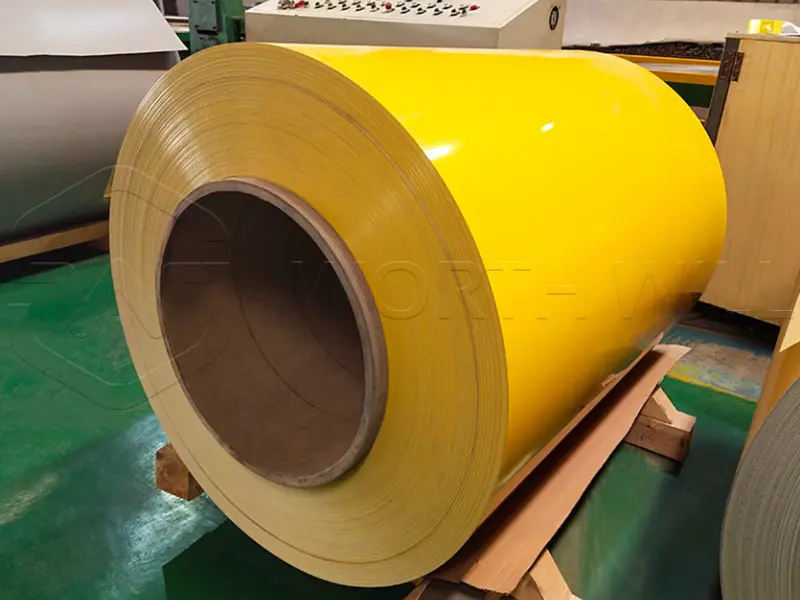
Coating adds cost but extends life. Here is how each option affects price.
| Coating Type | Extra Cost per kg | Outdoor Life | Best For |
|---|---|---|---|
| Mill Finish (Bare) | $0 | 15-25 years | Industrial use, natural look |
| PE (Polyester) | +$0.30 – $0.50 | 10-15 years | Indoor, decorative panels |
| PVDF (Fluorocarbon) | +$0.50 – $0.80 | 20-30 years | Exterior, harsh sunlight |
| Anodized | +$0.40 – $0.70 | 20-25 years | Architectural, premium finish |
| Pre-painted Color | +$0.20 – $0.80 | 10-30 years | Roofing, facades, signage |
Price by Thickness
Thicker coils use more metal. This raises the price per kg before any other charges.
| Thickness Range | Coil Type | Typical Price Impact |
|---|---|---|
| 0.2 – 0.5 mm | Thin foil | Base price, no premium |
| 0.5 – 1.0 mm | Light gauge | Base price |
| 1.0 – 2.0 mm | Standard gauge | Base price |
| 2.0 – 3.0 mm | Medium gauge | +3-5% processing fee |
| 3.0 – 6.0 mm | Thick coil | +5-8% processing fee |
| 6.0 – 12.0 mm | Heavy coil | +8-15% processing fee |
Price by Order Size
Bulk orders get better rates. Small orders pay more per kg.
| Order Size | Typical Discount | Notes |
|---|---|---|
| Less than 1 ton | No discount | Minimum order fees may apply |
| 1 – 5 tons | 2-5% discount | Standard mill order |
| 5 – 20 tons | 5-10% discount | Better shipping rates |
| 20+ tons | 10-15% discount | Direct mill pricing |
What Drives Aluminum Coil Price?
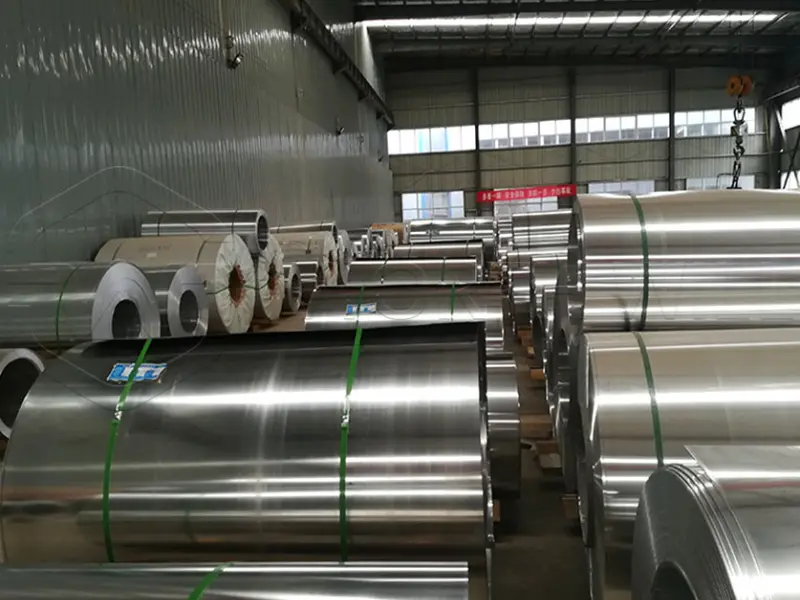
LME Base Metal Price
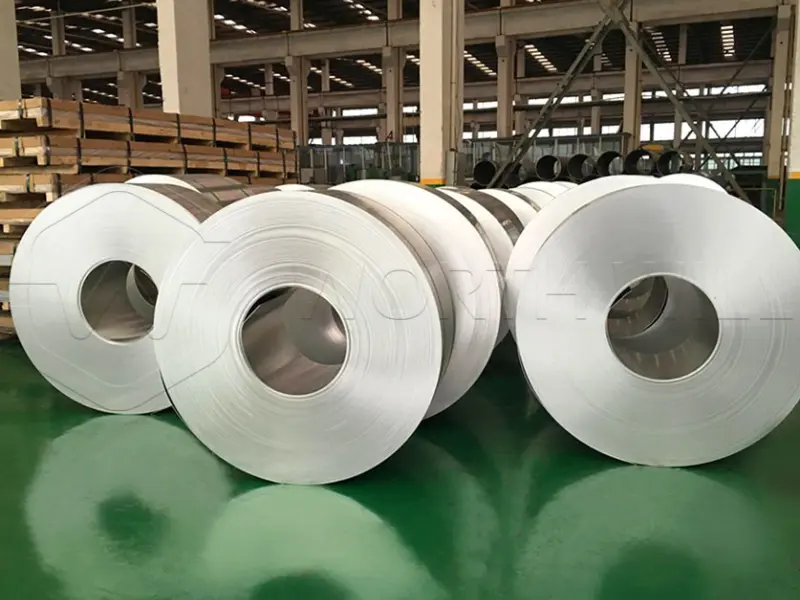
The London Metal Exchange (LME) sets the global base price for aluminum. In May 2026, LME primary aluminum sits near $8,519 per metric ton. This base price moves up and down with supply and demand. Every coil price starts from this number.
Alloy Premium
Different alloys need different raw materials. Manganese for 3003 costs less than magnesium for 5052. Heat treatment for 6061 adds energy costs. These factors push the alloy premium higher.
Processing Costs
Rolling, annealing, and slitting all add cost. Thinner coils need more passes through the mill. Wider coils need tighter flatness control. Custom sizes may need special tooling.
Coating Costs
Paint and anodizing need extra steps. PE coating is cheaper. PVDF coating lasts longer but costs more. Color matching adds setup fees for small batches.
Shipping and Logistics
Ocean freight, port fees, and inland trucking all add up. Buying from a local warehouse costs less in shipping but may cost more per kg. Buying direct from a mill overseas saves on unit price but adds freight.
Tariffs and Trade Policy
In 2026, U.S. tariffs on aluminum imports affect prices. Buyers in America pay more for imported coils. Some mills shift exports to Southeast Asia and Africa to avoid tariffs. This changes global supply and pricing.
Aluminum Coil Types and Specifications
By Alloy Grade
Each alloy serves a different market. Pick the right one for your job.
1050 / 1060 / 1100 Coils
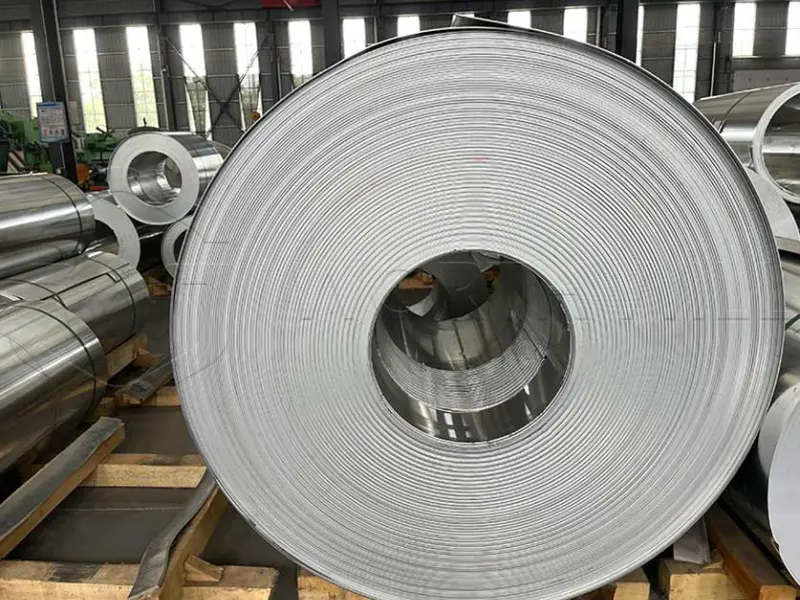
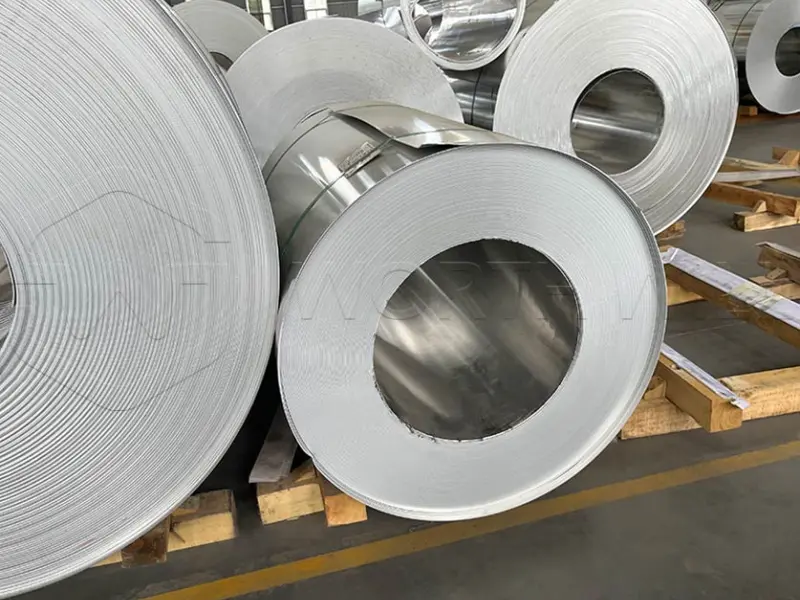
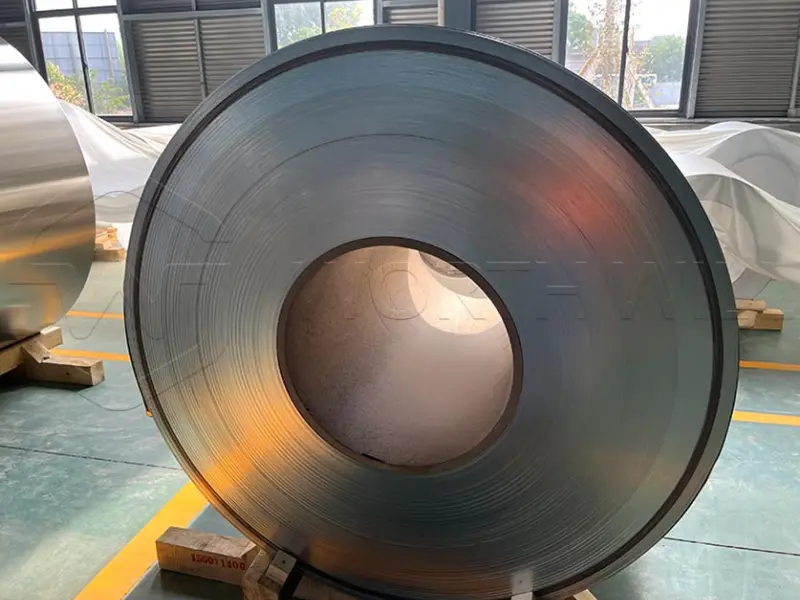
These are pure aluminum coils. They conduct heat and electricity well. They form easily. But they are soft.
| Property | 1050 | 1060 | 1100 |
|---|---|---|---|
| Aluminum Content | 99.5% | 99.6% | 99.0% |
| Tensile Strength | 70-110 MPa | 70-110 MPa | 70-110 MPa |
| Best Use | Electrical, foil | Reflectors, packaging | General forming |
| Price Level | Lowest | Lowest | Lowest |
Use these coils for packaging, electrical work, and decorative panels. Do not use them for structural loads.
3003 / 3105 Coils
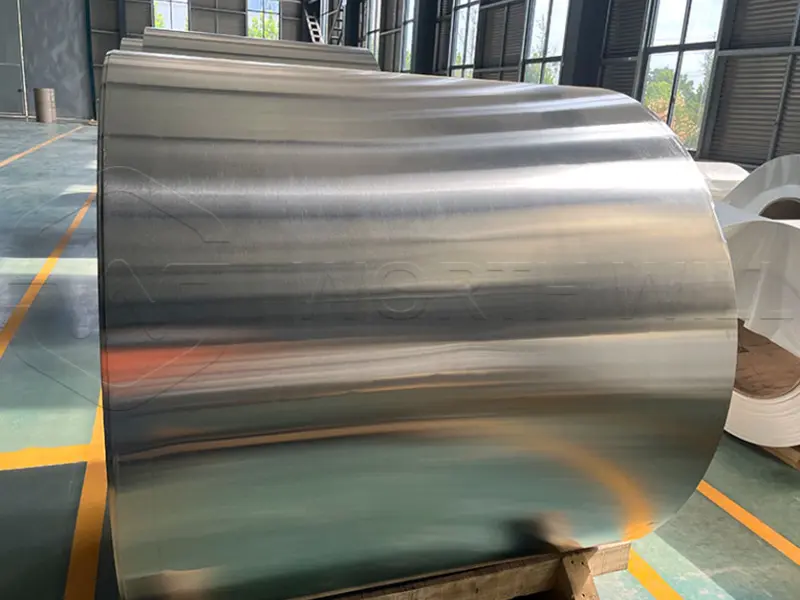
These are the most popular coils for building and packaging. Manganese adds strength. The price stays low.
| Property | 3003 | 3105 |
|---|---|---|
| Main Element | Manganese | Manganese + Magnesium |
| Tensile Strength | 140-160 MPa | 140-160 MPa |
| Corrosion Resistance | Good | Good |
| Best Use | Roofing, HVAC | Siding, beverage cans |
| Price Level | Low-Mid | Low-Mid |
3003 H14 is the standard for roofing and gutters. It solders well. It forms into complex shapes. 3105 works well for painted siding and can stock.
5052 / 5083 Coils
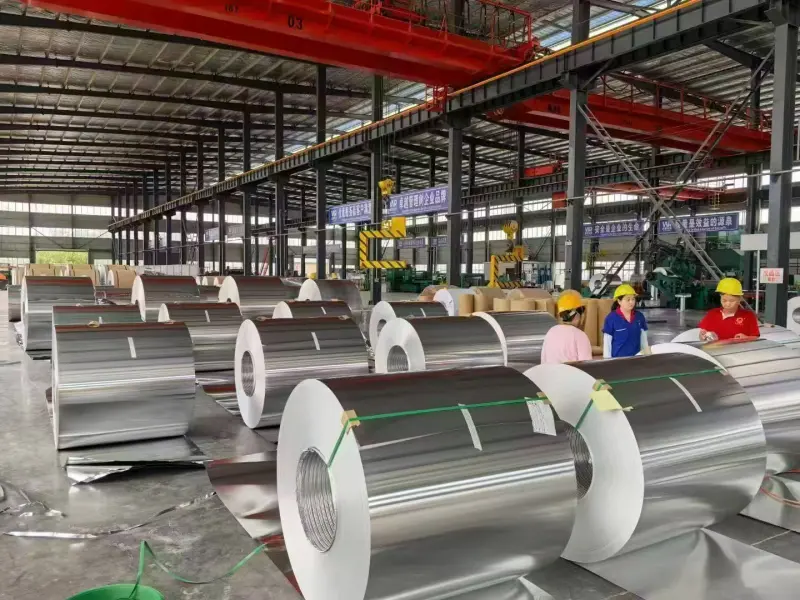
These coils resist salt water. Magnesium gives them strength. They cost more than 3003.
| Property | 5052 | 5083 |
|---|---|---|
| Main Element | Magnesium | Magnesium |
| Tensile Strength | 175-260 MPa | Very High |
| Corrosion Resistance | Excellent | Excellent |
| Best Use | Marine, fuel tanks | Ship hulls, offshore |
| Price Level | Mid-High | High |
5052 H32 is the go-to for coastal roofing and boat parts. 5083 H116 is for heavy marine use. Both weld well.
6061 / 6063 Coils
These are heat-treatable alloys. They are the strongest common coils. They also cost the most.
| Property | 6061 | 6063 |
|---|---|---|
| Main Element | Mg + Si | Mg + Si |
| Tensile Strength | 240-310 MPa | Medium |
| Corrosion Resistance | Good | Good |
| Best Use | Structural, machinery | Architectural profiles |
| Price Level | Highest | High |
6061 T6 is for structural parts, machinery bases, and automotive components. It machines well. 6063 is for extrusion profiles and architectural trim.
By Temper (Hardness State)
Temper shows how the coil was treated after rolling. It affects hardness and workability.
| Temper | Description | Hardness | Common Uses |
|---|---|---|---|
| O | Fully annealed, soft | Very soft | Deep drawing, complex shapes |
| H12 | Quarter hard | Soft | Light forming, decorative |
| H14 | Half hard | Medium | Roofing, wall panels, general use |
| H16 | Three-quarter hard | Medium-Hard | Stiffer panels |
| H18 | Full hard | Hard | Maximum rigidity |
| H22 | Quarter hard, stabilized | Soft | Better than H12 |
| H24 | Half hard, stabilized | Medium | Popular for roofing coils |
| H32 | Quarter hard, stabilized | Medium | Marine, stable forming |
| T4 | Heat treated, naturally aged | Medium-Hard | Parts formed after treatment |
| T5 | Artificially aged | Medium-Hard | Construction profiles |
| T6 | Heat treated, fully aged | Hard | Structural, machinery |
By Thickness and Width
Coils come in many sizes. Standard sizes cost less. Custom sizes cost more.
| Thickness Range | Typical Width | Common Uses |
|---|---|---|
| 0.2 – 0.5 mm | 200 – 1500 mm | Food packaging, capacitor foil, insulation |
| 0.5 – 1.0 mm | 500 – 1500 mm | Ceiling tiles, labels, light cladding |
| 1.0 – 2.0 mm | 1000 – 1500 mm | Roofing, wall cladding, HVAC ducts |
| 2.0 – 3.0 mm | 1000 – 2200 mm | Trailer siding, industrial panels, gutters |
| 3.0 – 6.0 mm | 1000 – 2200 mm | Structural parts, heavy cladding, tanks |
| 6.0 – 12.0 mm | 1000 – 2200 mm | Plate coil, machinery bases, molds |
Standard widths are 1000 mm, 1200 mm, 1250 mm, and 1500 mm. Custom widths up to 2200 mm are available from some mills.
Alloy Price Comparison for Buyers
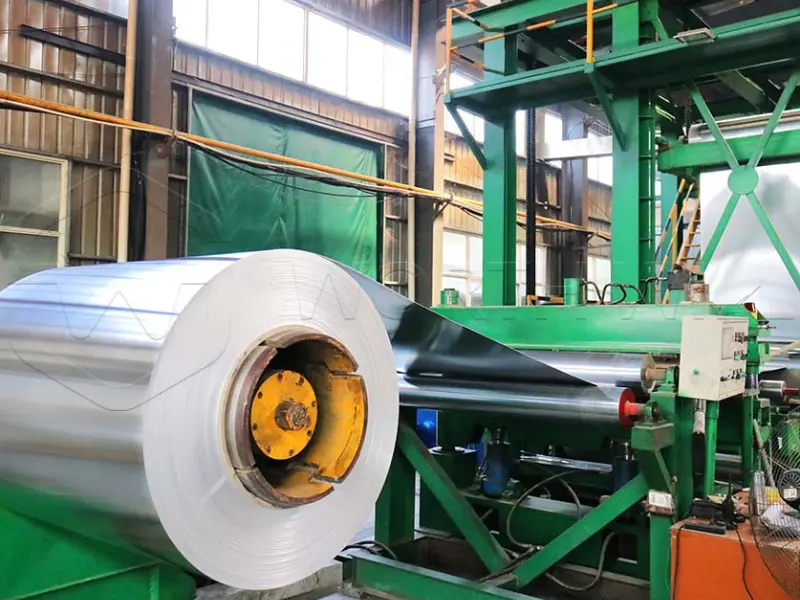
Not sure which alloy to pick? This table helps you decide.
| Feature | 3003 H14 | 5052 H32 | 6061 T6 |
|---|---|---|---|
| Price per kg | $2.50 – $3.00 | $3.00 – $3.50 | $3.50 – $4.50 |
| Tensile Strength | 140-160 MPa | 175-260 MPa | 240-310 MPa |
| Corrosion Resistance | Good | Excellent | Good |
| Formability | Excellent | Good | Moderate |
| Weldability | Excellent | Excellent | Good |
| Machinability | Fair | Fair | Excellent |
| Best Climate | General outdoor | Coastal, marine | Industrial, structural |
| Typical Lifespan | 20-25 years | 25-35 years | 20-30 years |
When to Buy 3003 H14
Buy 3003 H14 if you need low cost and good formability. It works for roofing, gutters, and HVAC. It is the best value for most building jobs.
When to Buy 5052 H32
Buy 5052 H32 if you work near the ocean or need extra strength. It resists salt spray. It handles vibration well. It costs 10-15% more than 3003.
When to Buy 6061 T6
Buy 6061 T6 if you need structural strength. It holds heavy loads. It machines cleanly. It costs the most but performs the best under stress.
Applications of Aluminum Coil
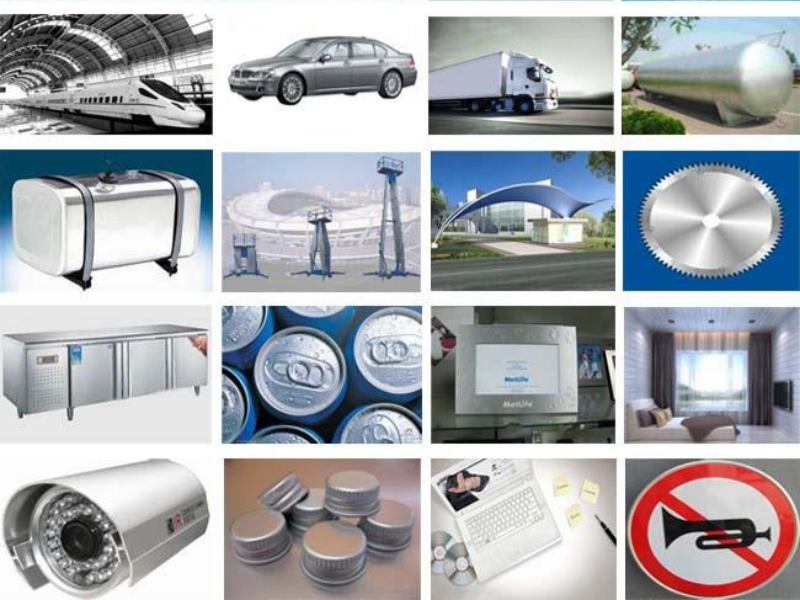
Building and Construction
- Roofing panels for warehouses and factories
- Wall cladding for offices and shopping malls
- Gutter and downspout systems
- Ceiling tiles and soffits
- Decorative facade panels
- Insulation jackets
Transportation
- Truck and trailer siding
- Bus and railcar body panels
- Car hoods and door panels
- Boat hulls and decks
- Aircraft interior panels
- Fuel tanks
Packaging
- Beverage can stock
- Food container lids
- Foil wraps
- Pharmaceutical packaging
- Caps and closures
Industrial
- Heat exchanger fins
- Air conditioner coils
- Electrical bus bars
- Transformer windings
- Chemical tanks
- Pipeline insulation
Consumer Goods
- Appliance trim
- Lighting fixtures
- Signage and displays
- Furniture frames
- Cookware
How to Get the Best Aluminum Coil Price
Step 1: Know Your Specs
Write down the alloy, temper, thickness, width, and coating you need. Vague specs lead to wrong quotes.
Step 2: Compare Multiple Suppliers
Get quotes from at least three mills or distributors. Compare the total landed cost, not just the per-kg price.
Step 3: Check the LME Trend
If LME prices are rising, buy sooner. If they are falling, wait if you can. Lock in prices with a contract for large orders.
Step 4: Order in Bulk
Larger orders get better rates. Combine orders with other buyers if you cannot reach the minimum alone.
Step 5: Ask for a Mill Test Certificate
This proves the alloy and temper match your order. It protects you from substitutions.
Hidden Costs to Watch For
| Cost Item | What It Is | How to Avoid It |
|---|---|---|
| Tooling fee | Charge for custom width or thickness | Order standard sizes |
| Small order fee | Extra charge for orders under 1 ton | Combine orders |
| Color match fee | Setup charge for custom paint colors | Use standard RAL colors |
| Packaging fee | Special wrapping or crating | Use standard export packing |
| Currency fluctuation | Exchange rate changes during production | Lock rates in contract |
| Tariff surcharge | Extra duty on imported coils | Buy from local stock or duty-free sources |
Aluminum Coil vs Aluminum Sheet: Price Difference
Coils and sheets come from the same metal. But coils cost less per kg for large jobs.
| Factor | Aluminum Coil | Aluminum Sheet |
|---|---|---|
| Price per kg | Lower for bulk | Higher per unit |
| Minimum order | Usually 1-5 tons | Can be 500 kg |
| Waste | Less, continuous use | More, cut-to-size scrap |
| Lead time | Longer, mill production | Shorter, stock items |
| Best for | High volume, roll forming | Low volume, quick jobs |
If you use more than 2 tons, coils save money. If you need small amounts fast, sheets are better.
Market Outlook for 2026 and Beyond
The global aluminum sheets and coils market was worth $52.4 billion in 2024. It is expected to grow to $93 billion by 2034. That is a 6% growth rate per year.
Key drivers include:
- Electric vehicles need lightweight aluminum
- Green building trends favor recyclable materials
- Packaging demand keeps rising
- Aerospace and defense spending grows
Challenges include:
- LME price volatility
- Energy costs for smelting
- Trade tariffs between major markets
- Supply chain disruptions
FAQ
What is the current aluminum coil price per ton?
In 2026, standard aluminum coil prices range from $2,300 to $3,200 per ton for 1xxx and 3xxx alloys. Coated coils run $2,500 to $3,200 per ton. High-grade alloys like 6061 can reach $3,500 to $4,500 per ton.
Why is 6061 coil more expensive than 3003?
6061 needs heat treatment. This adds time and energy costs. It also contains more expensive alloying elements. The result is higher strength but a higher price.
Does coating affect the price a lot?
Yes. PE coating adds $0.30 to $0.50 per kg. PVDF coating adds $0.50 to $0.80 per kg. Bare mill finish has no coating cost. Choose coating based on how long the coil will last outdoors.
How do I calculate the total cost of my coil order?
Multiply the weight in kg by the price per kg. Add coating costs. Add freight and insurance and any tariffs or duties. TheAdd handling fees at the port. The sum is your landed cost.
Is it cheaper to buy from China or locally?
Chinese mills often have lower base prices. But you must add ocean freight, tariffs, and longer lead times. Local stock costs more per kg but arrives faster. Compare total landed cost, not just the mill price.
What is the cheapest aluminum coil alloy?
1050 and 1060 are the cheapest. They are pure aluminum. They work for packaging and electrical jobs do not have the strength of 3003 or 5052.
How often do aluminum coil prices change?
LME prices change daily. Mill prices usually update weekly or monthly. Large contracts may lock prices for 3-6 months. Spot market prices move with LME trends.
Can I negotiate the price?
Yes. Mills offer discounts for large orders, long-term contracts, and prompt payment. Distributors may match competitor prices. Always ask for a better rate.
What is the difference between H14 and H24 temper?
H14 is strain hardened only. H24 is strain hardened and then partially annealed. H24 is slightly softer and more stable. It is better for forming after rolling.
Should I buy coil or sheet?
Buy coil if you have a roll-forming machine and use high volumes. Buy sheet if you cut pieces on site and need small amounts. Coil saves money on large jobs. Sheet saves time on small jobs.
Aluminum coil price
Aluminum coil price depends on alloy, temper, thickness, coating, and market conditions. In 2026, buyers pay $2.30 to $4.50 per kg for most grades. Pure aluminum like 1050 costs the least. Heat-treated 6061 costs the most.
Use the tables in this guide to compare options. Define your job needs first. Then match the alloy and coating to your climate and load. Get quotes from multiple sources. Check the total landed cost, not just the per-kg price.
With the right choice, aluminum coil delivers decades of service with low maintenance. It is a smart investment for roofing, transportation, packaging, and industry.
[wpforms id=”104″]

No responses yet